Equine dentistry is the practice of maintaining and managing a horse’s oral health. Just like in humans, a horse’s teeth are essential for their overall health and well-being. Proper dental care can prevent pain, improve feeding efficiency, and prevent behavior issues linked to discomfort.

Why Is Equine Dentistry Important?

  • Health Maintenance: Horses rely on their teeth to chew food, and any dental problems can cause difficulties in eating and digestion.
  • Behavioral Issues: Discomfort from dental problems can lead to issues such as head tossing, resistance to the bit, and difficulty turning.
  • Prevention of Serious Conditions: Conditions like sharp points, uneven wear, and tooth abscesses can be painful and lead to more severe health issues if left untreated.

Common Dental Problems in Horses

  • Sharp Points: These occur on the outside of the upper teeth and inside of the lower teeth. They can cause pain, discomfort, and difficulty chewing.
  • Hooks: Overgrowth of teeth at the front of the mouth, often caused by misalignment. Hooks can interfere with proper chewing and cause lacerations inside the mouth.
  • Wave Mouth: A condition where there is uneven wear across the arc of the teeth. This can lead to difficulty chewing and gastrointestinal issues.
  • Tooth Abscesses: Infection or decay of the teeth, leading to swelling and potential pain.
  • Malocclusions (Misalignment): Problems with the way the teeth align, affecting chewing efficiency and overall comfort.
  • Missing Teeth: Missing teeth, especially molars, can disrupt the horse’s ability to grind food properly.

Signs Your Horse Might Need Dental Care

  • Difficulty chewing or dropping food
  • Excessive salivation or drooling
  • Weight loss or poor condition despite good feed
  • Resistance to the bit or difficulty accepting the bridle
  • Head tossing or abnormal head posture while riding
  • Foul odor from the mouth or nasal discharge
  • Sudden changes in behavior, especially while riding

Routine Dental Care for Horses

  • Frequency of Exams: Horses should have a dental exam at least once a year. Horses over the age of 10 may need more frequent visits (every 6 months), especially if they have dental issues.
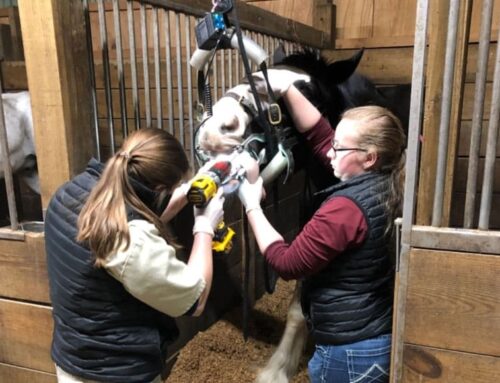
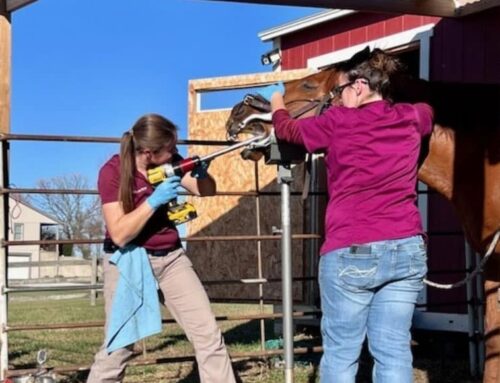
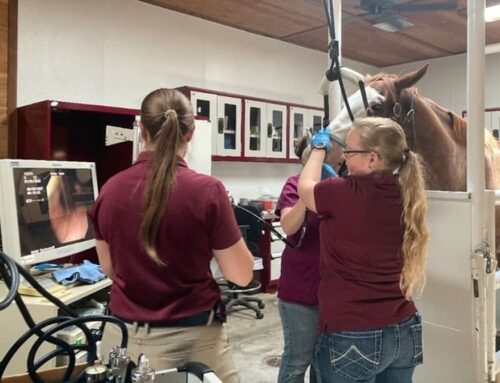
  • The Procedure: A typical dental exam involves sedating the horse (if necessary), using a speculum to open the mouth, and inspecting the teeth for any signs of issues. Floating, or filing, the teeth may be required to smooth out sharp points and hooks.
  • Floating Teeth: This procedure involves using specialized instruments to file down any sharp points or uneven surfaces to ensure the horse can chew comfortably.

How to Care for Your Horse’s Teeth at Home

  • Monitor Eating Habits: Keep an eye on how your horse eats, and watch for any signs of discomfort, such as dropping food or taking longer to finish meals.
  • Feed Quality: Offer a balanced diet with both forage (grass or hay) and grain if necessary. Good-quality hay promotes natural tooth wear.
  • Check for Signs of Pain: Regularly check your horse’s mouth for ulcers, cuts, or signs of infection (like foul odors or swelling).

Preventive Care Tips

  • Work with a Veterinarian: A veterinarian will help keep your horse’s teeth in optimal condition. Don’t attempt to perform dental work on your own unless you are trained.
  • Proper Nutrition: Ensure your horse’s diet is appropriate for their age, size, and activity level. A balanced diet helps to prevent dental wear problems.
  • Teeth and Bit Care: If your horse is ridden, ensure the bit is the proper size and is well-fitted to avoid irritation.

When Should You Call a Vet or Equine Dentist?

  • Pain Symptoms: If your horse is showing signs of pain (drooling, weight loss, change in eating habits), consult with a professional immediately.
  • Behavioral Issues: If your horse suddenly refuses the bit, exhibits head tossing, or becomes reluctant to perform, dental issues might be the cause.
  • Foul Breath or Discharge: Bad breath, nasal discharge, or swelling around the mouth are clear signs of a dental problem that needs attention.

Summary

Routine dental care is essential for your horse’s health. By observing their behavior and working closely with an equine dentist, you can ensure that your horse stays comfortable, performs well, and remains free from dental-related issues. Don’t wait for problems to become severe—regular check-ups and preventive care are the keys to maintaining a happy and healthy horse.

For more information or to schedule a dental check-up, consult with your veterinarian.